Notice: Function _load_textdomain_just_in_time was called incorrectly. Translation loading for the porto-shortcodes domain was triggered too early. This is usually an indicator for some code in the plugin or theme running too early. Translations should be loaded at the init action or later. Please see Debugging in WordPress for more information. (This message was added in version 6.7.0.) in /home/mviwaarusha/public_html/wp-includes/functions.php on line 6114
admin – MVIWAARUSHA

Author - admin

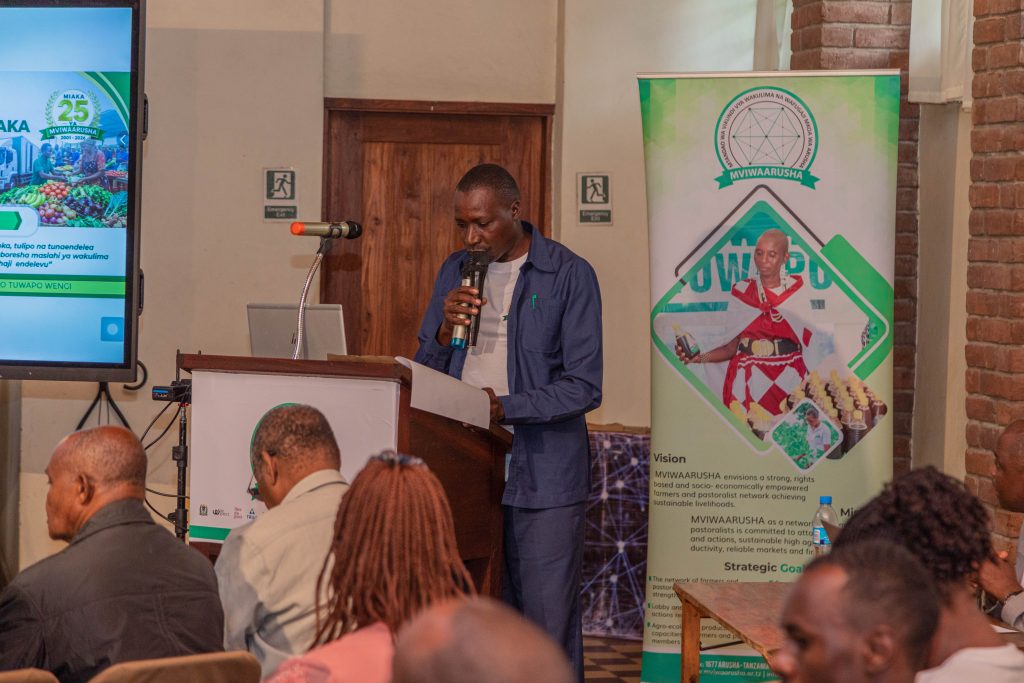
Global REDAA Partners Convene in Arusha for Learning and Field Exchange

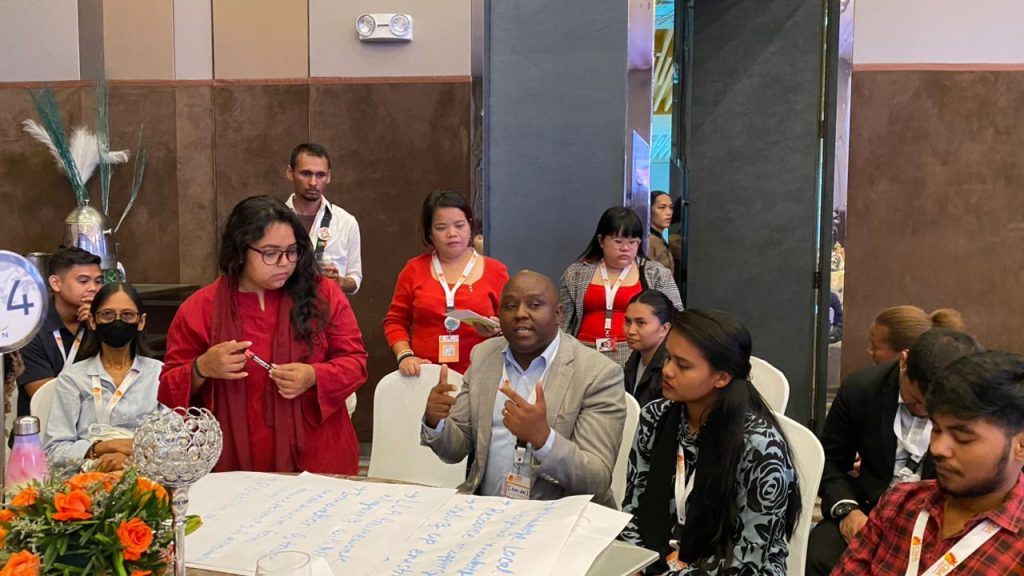
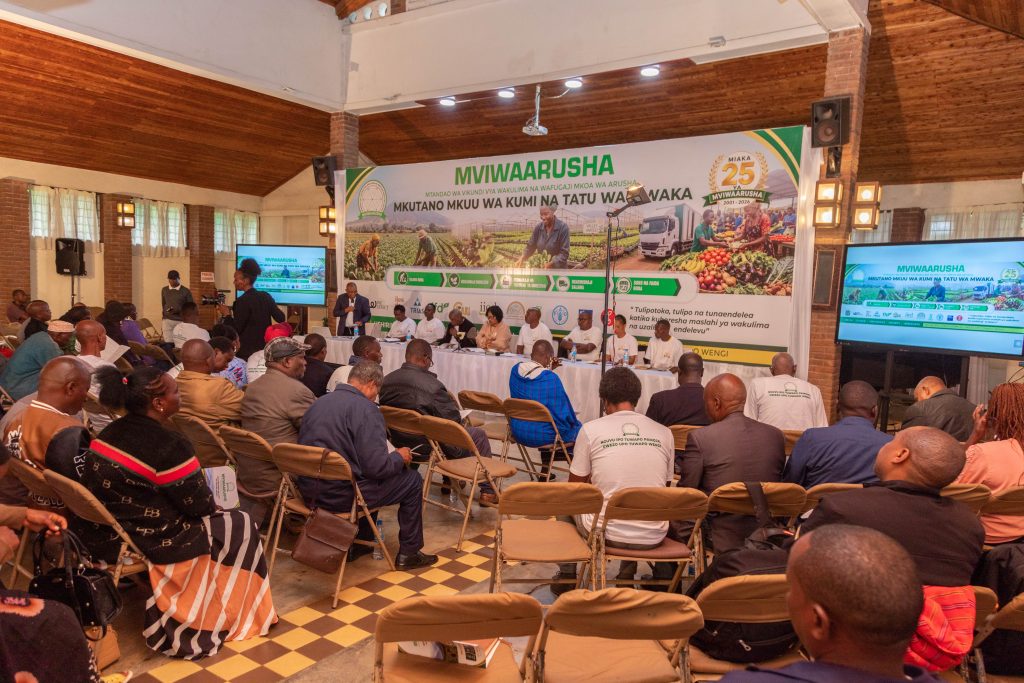
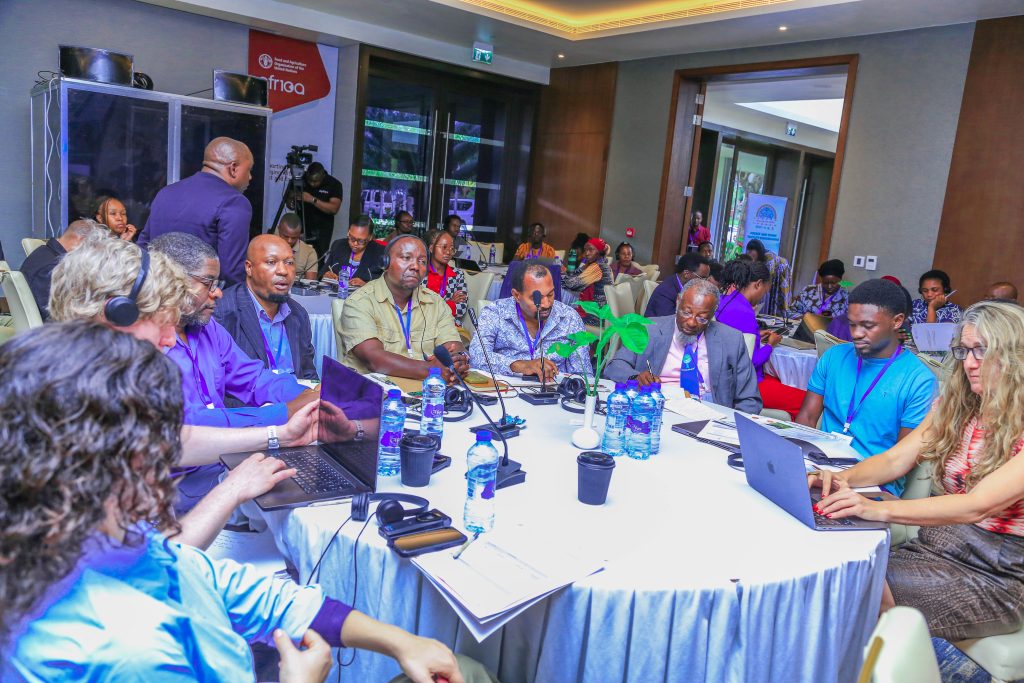
More than 60 delegates representing implementing partners of the REDAA project gathered in Arusha, bringing together participants from 20 countries across Africa, Europe, and Asia. The diverse delegation included representatives from Zambia, Zimbabwe, the Netherlands, Rwanda, Malawi, Ethiopia, Kenya, England, India, Thailand, Pakistan, and several other nations—reflecting REDAA’s growing global footprint and collaborative spirit.

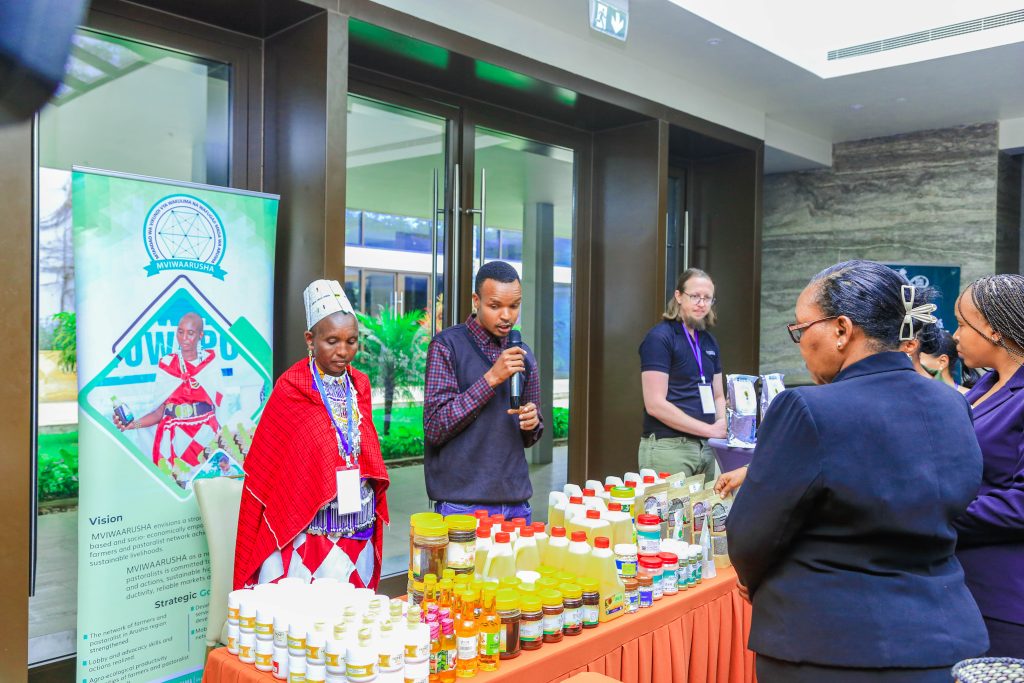
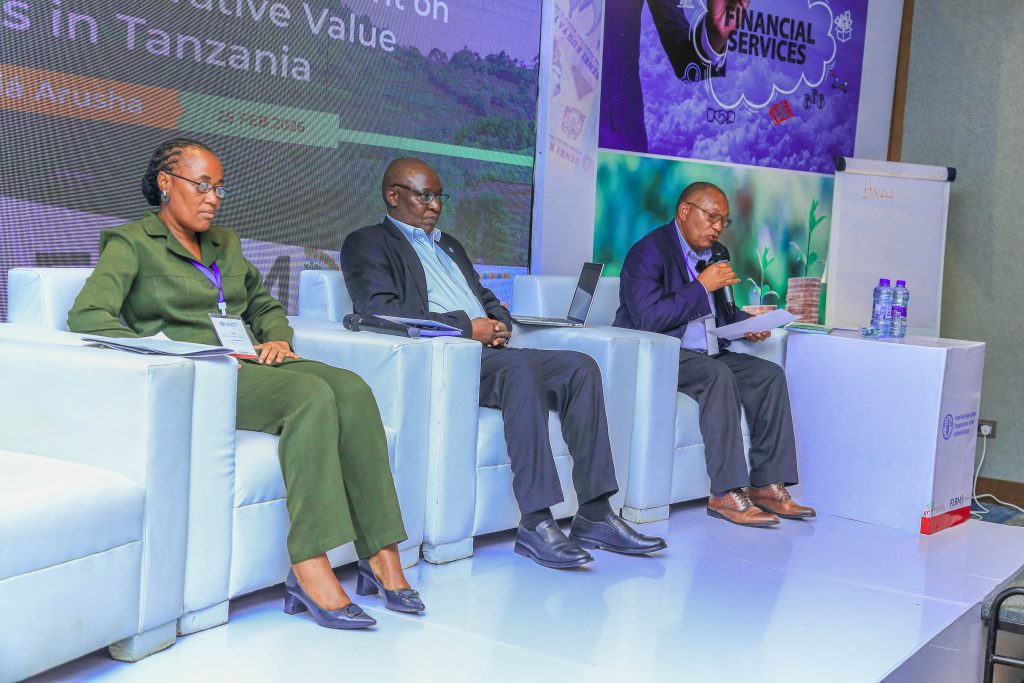
The international meeting was held at the renowned Mount Meru Hotel, where partners convened to exchange experiences, share best practices, and strengthen cross-country collaboration. The gathering served as a valuable platform for dialogue on advancing agricultural production, research, and knowledge dissemination among farming communities.

Field Visit to Meru and Longido Districts

Following the indoor sessions, the delegation was hosted by MVIWAARUSHA for an insightful field visit to the Meru and Longido districts, where REDAA project activities are actively being implemented. The visit offered participants a firsthand look at the transformative initiatives taking place at the grassroots level.

Delegates observed several impactful interventions, including:

  • Microfinance initiatives supporting smallholder farmers and community groups to access capital and expand their agribusiness ventures.
  • Land use planning strategies designed to promote sustainable resource management and enhance productivity.
  • Research protocols aimed at improving agricultural production systems and strengthening evidence-based farming practices.
  • Goat breeding programs contribute to improved livestock quality, increased incomes, and enhanced food security.
  • Vegetable farming activities that are diversifying income sources and improving household nutrition.

These initiatives collectively demonstrate how REDAA is strengthening livelihoods by integrating production, research, and farmer-centered knowledge sharing.

Appreciation for Coordination and Partnership

The success of the visit was made possible through the dedicated coordination of MVIWAARUSHA’s leadership and staff. Special appreciation goes to Mr. Richard Masandika, the MVIWAARUSHA Coordinator, and Mr. Damian Sulumo, Programs Officer, along with the entire team, for organizing a well-planned and warmly coordinated reception for the international delegation.

MVIWAARUSHA reaffirmed its commitment to strong partnerships both within Tanzania and internationally. The organization expressed gratitude for collaboration with partners such as TRIAS and others who continue to support shared goals of sustainable agricultural development and farmer empowerment.

Strengthening Production, Research, and Knowledge Sharing

The REDAA project continues to demonstrate its value through enhanced production systems, strengthened research frameworks, and effective knowledge transfer to farmers. By bringing together implementing partners from around the world, the Arusha meeting reinforced the importance of collaboration, learning, and innovation in building resilient agricultural communities.

The visit not only strengthened institutional partnerships but also deepened the collective commitment to improving livelihoods and ensuring sustainable development for farming communities across participating countries.

Read more...

B|U|S Training Program: A Pillar for Organizational Growth at MVIWAARUSHA

The B|U|S training program is one of the key capacity-building initiatives supported by Andreas Hermes Akademie (AHA) and has proven to be highly impactful for the growth and sustainability of MVIWAARUSHA. Through this strategic partnership, the program has played a crucial role in strengthening leadership, entrepreneurship, and organizational development among our members, particularly smallholder farmers.

The B|U|S training focuses on equipping participants with practical skills in leadership, entrepreneurship, governance, and organizational management. These skills are essential for farmers’ organizations to grow, remain resilient, and respond effectively to social and economic challenges. As a result, MVIWAARUSHA has benefited significantly from the program by building a strong pool of competent leaders and trainers who continue to transfer knowledge to others.

One of the major achievements of the B|U|S program is the development of Trainers of Trainers (ToTs) within MVIWAARUSHA. Through this approach, the organization has been able to expand its outreach and train more farmers and other cadres across different areas. Today, MVIWAARUSHA has the internal capacity to independently facilitate high-quality trainings, ensuring sustainability and long-term impact.

Among the notable beneficiaries of the B|U|S training program are Joel Kaduma and Mwanaidi, who have grown into strong leaders and trainers within the organization. Their contribution demonstrates the effectiveness of the program in nurturing human capital and creating role models who inspire others within farming communities.

The partnership with Andreas Hermes Akademie (AHA) has been extremely valuable to MVIWAARUSHA. Beyond technical skills, the collaboration has fostered a culture of learning, accountability, innovation, and leadership excellence. We firmly believe that continued partnership with AHA will result in the production of even more valuable assets—skilled leaders, empowered farmers, and stronger institutions within our organization.

The following photos highlight moments from B|U|S trainings and related activities, capturing the spirit of learning, collaboration, and empowerment that defines this program. These visual testimonies reflect the positive transformation taking place among our members and reaffirm the importance of sustained investment in capacity development.

MVIWAARUSHA remains committed to strengthening this partnership and scaling up the impact of the B|U|S program for the benefit of farmers, communities, and the organization as a whole.

Read more...

MVIWAARUSHA Shines at Nane Nane Exhibition 2025

The 2025 Nane Nane Exhibition marked another milestone for the Mtandao wa Vikundi vya Wakulima Mkoa wa Arusha (MVIWAARUSHA) as it showcased its commitment to farmer empowerment, agroecology, and inclusive agricultural development. This year, MVIWAARUSHA participated in both the regional exhibition in Arusha and the national exhibition held in Dodoma, leaving a significant impact at both levels.

At the Arusha regional Nane Nane celebrations, MVIWAARUSHA stood out among the many member-based farmer organizations. Their exceptional presentation, coordination, and engagement with stakeholders earned them third place in the category of best-performing member-based farmers’ organizations. This recognition reflects MVIWAARUSHA's growing influence in advocating for farmer interests, promoting sustainable practices, and providing a platform for small-scale farmers to thrive.

𝐍𝐚𝐭𝐢𝐨𝐧𝐚𝐥 𝐈𝐦𝐩𝐚𝐜𝐭 𝐢𝐧 𝐃𝐨𝐝𝐨𝐦𝐚

At the national level in Dodoma, MVIWAARUSHA collaborated with WeEffect and other strategic partners to mount a vibrant and educative exhibition. The partnership allowed for a broader reach and deeper engagement with national and international stakeholders in the agriculture sector.

Under the Seed Working Group, MVIWAARUSHA worked alongside the Smallholder Farmers Confederation of Tanzania (SHIWAKUTA) and other key partners including TOAM (Tanzania Organic Agriculture Movement), TABIO (Tanzania Alliance for Biodiversity), and IDP (Island of Peace) to promote agroecology and farmer-managed seed systems. Through demonstrations, educational materials, and interactive sessions, the group emphasized the importance of sustainable farming, biodiversity, and farmer sovereignty in seed production and use.

𝐄𝐦𝐩𝐨𝐰𝐞𝐫𝐢𝐧𝐠 𝐅𝐚𝐫𝐦𝐞𝐫𝐬 𝐚𝐧𝐝 𝐒𝐌𝐄𝐬

The MVIWAARUSHA pavilion served as a dynamic hub where farmers and small and medium enterprises (SMEs) were given the opportunity to showcase their products, innovations, and activities. From organic produce and value-added goods to local innovations in farming and environmental conservation, the pavilion reflected the creativity, resilience, and potential of smallholder farmers when supported and given a platform.

MVIWAARUSHA’s participation in the 2025 Nane Nane exhibitions not only highlighted its achievements but also reinforced its role as a key actor in championing farmer rights, agroecology, and sustainable agriculture in Tanzania. Through collaboration, innovation, and empowerment, MVIWAARUSHA continues to pave the way for a more inclusive and resilient agricultural sector.

Read more...

𝐂𝐨𝐦𝐦𝐮𝐧𝐢𝐭𝐲-𝐋𝐞𝐝 𝐒𝐞𝐞𝐝 𝐇𝐚𝐫𝐯𝐞𝐬𝐭 𝐌𝐚𝐫𝐤𝐬 𝐌𝐢𝐥𝐞𝐬𝐭𝐨𝐧𝐞 𝐟𝐨𝐫 𝐀𝐠𝐫𝐨𝐞𝐜𝐨𝐥𝐨𝐠𝐲 𝐢𝐧 𝐊𝐚𝐫𝐚𝐭𝐮

esterday, our Programs Officer, Mr. Damian Sulumo, took part in the successful harvesting of farmer-managed seeds by the Eden Group—a local network operating under the Karatu District Network (MVIWAKO).

This harvest stands as a powerful testament to the ability of local farmers to safeguard and sustain the availability of community-managed seeds, a key pillar of resilience and food sovereignty.

MVIWAARUSHA takes great pride in the Eden Group’s commitment, as they prepare to share these seeds with others and promote agroecological practices throughout the area. The event also welcomed participation from fellow local network groups, including MVIWAENDABASHA and MVIWAQURUS, who came to learn and exchange experiences with Eden Group.

We extend our sincere thanks to our dedicated partners—IDP, FAO, and others—whose continued support from the outset has made this impactful achievement possible.

Read more...

𝐅𝐀𝐎 𝐇𝐞𝐚𝐝𝐪𝐮𝐚𝐫𝐭𝐞𝐫𝐬 𝐓𝐞𝐚𝐦 𝐕𝐢𝐬𝐢𝐭𝐬 𝐌𝐕𝐈𝐖𝐀𝐀𝐑𝐔𝐒𝐇𝐀 𝐑𝐞𝐬𝐭𝐨𝐫𝐚𝐭𝐢𝐨𝐧 𝐒𝐢𝐭𝐞𝐬 𝐢𝐧 𝐌𝐨𝐧𝐝𝐮𝐥𝐢 𝐃𝐢𝐬𝐭𝐫𝐢𝐜𝐭

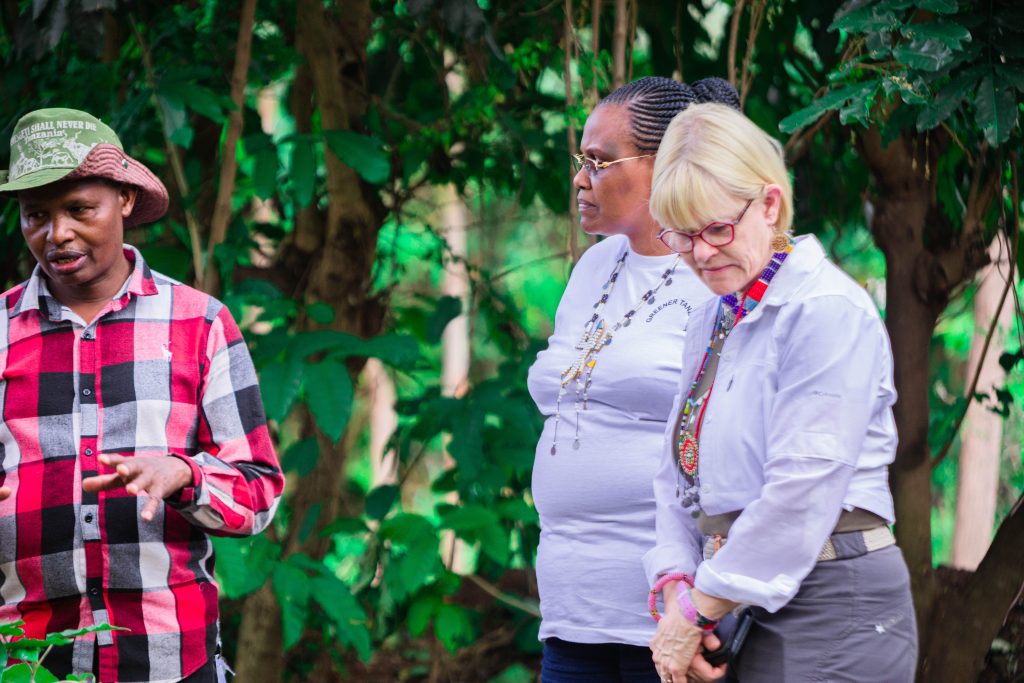
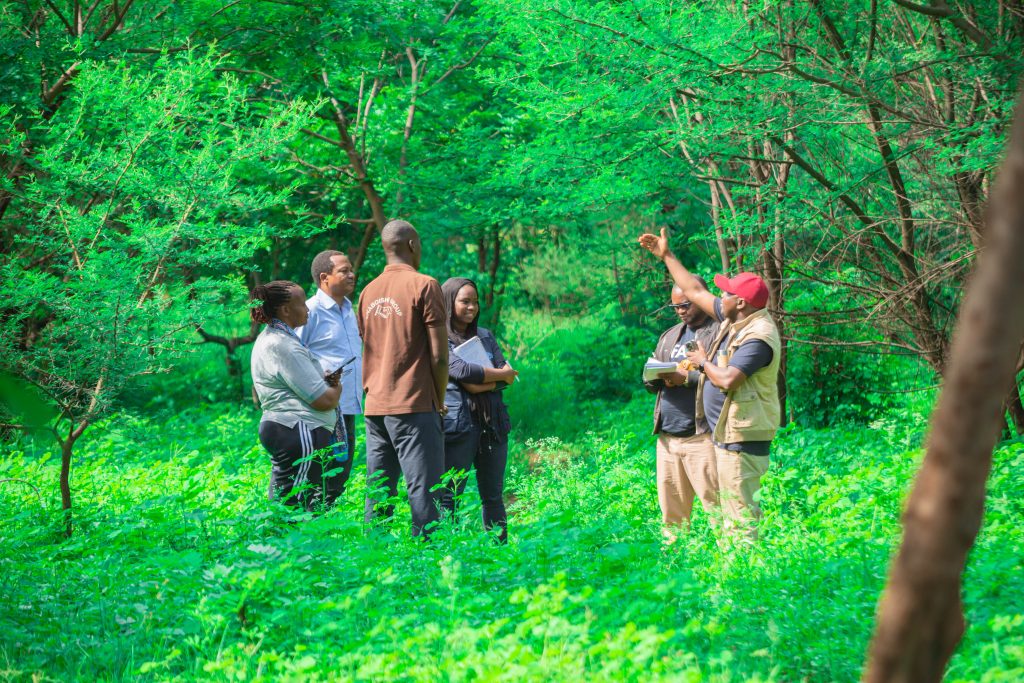
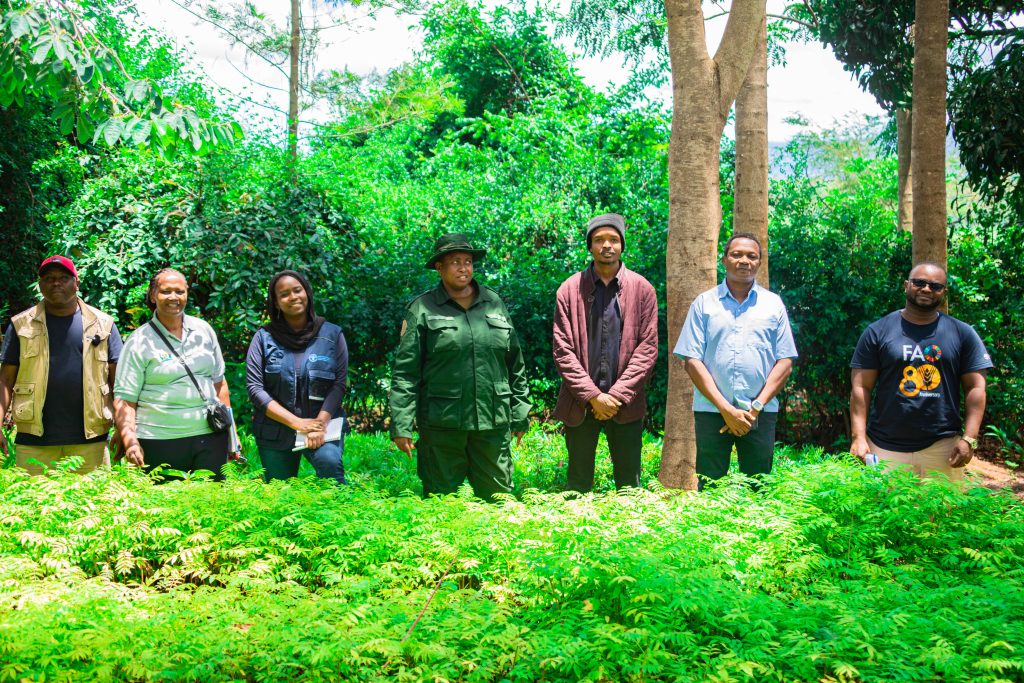
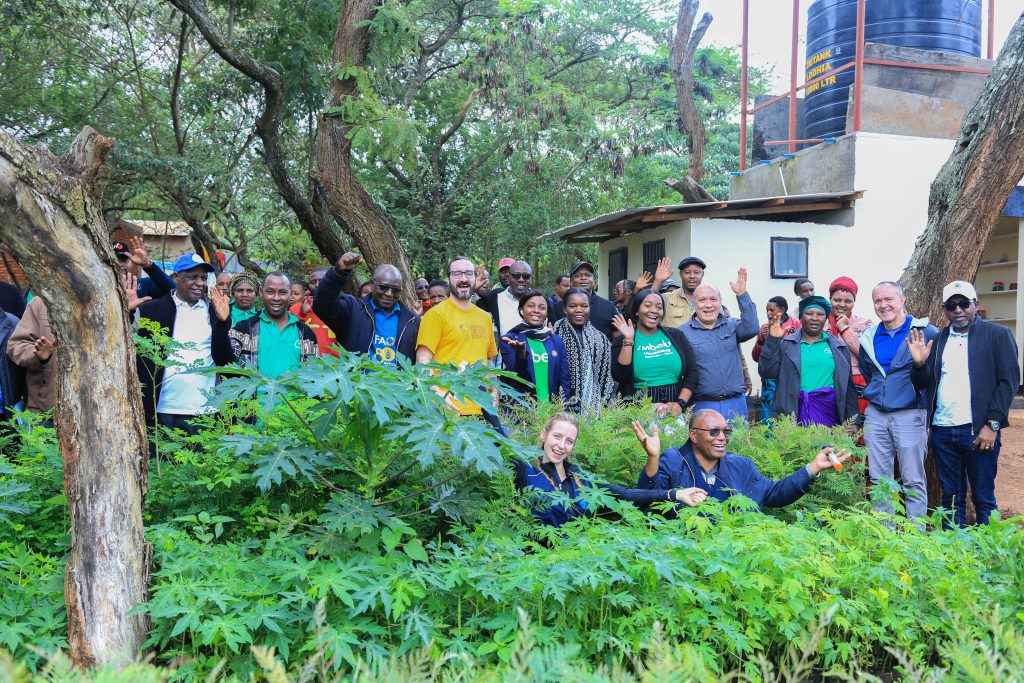
On 10th June 2025, MVIWAARUSHA had the honor of receiving visitors from the Food and Agriculture Organization (FAO) headquarters. The purpose of the visit was to explore the ongoing restoration efforts and to gain firsthand experience of the impactful work carried out by MVIWAARUSHA in the region.
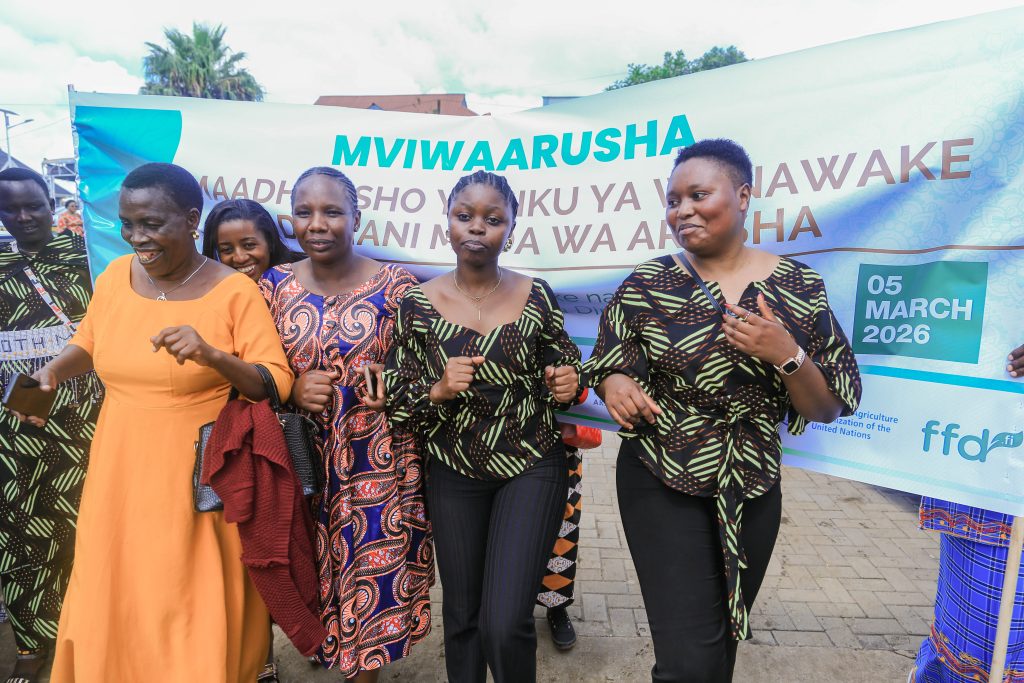
The delegation was led by Ms. Nelly Bourlion, a consultant with the FAO Forest and Landscape team, and Mr. Geoffrey Bakanga, the Forest and Farm Facility Facilitator, alongside the co-team based in Tanzania.

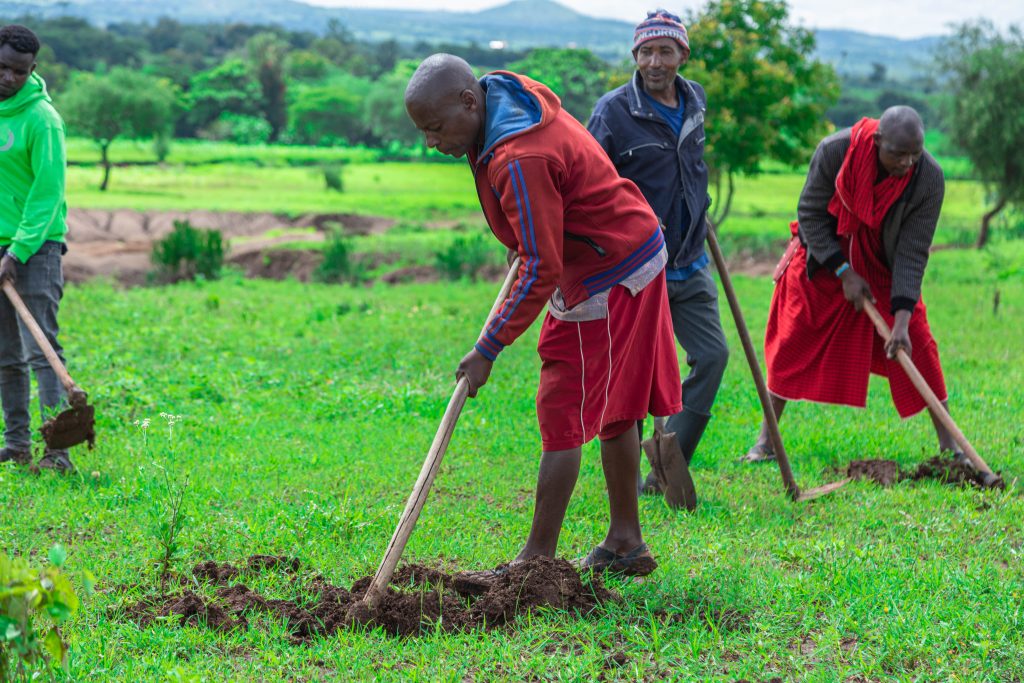
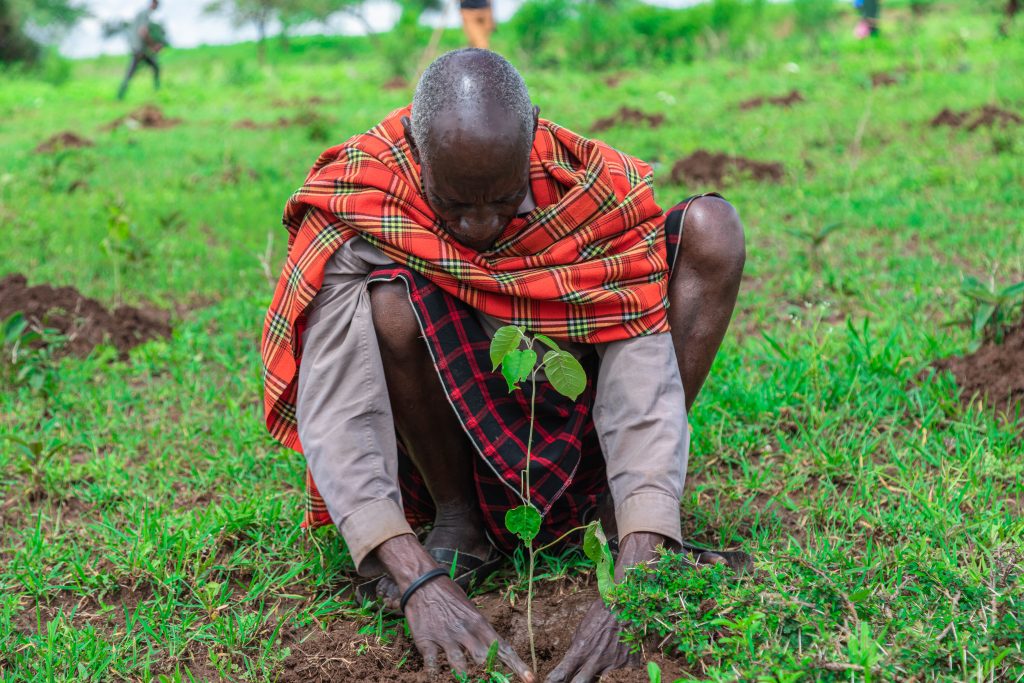
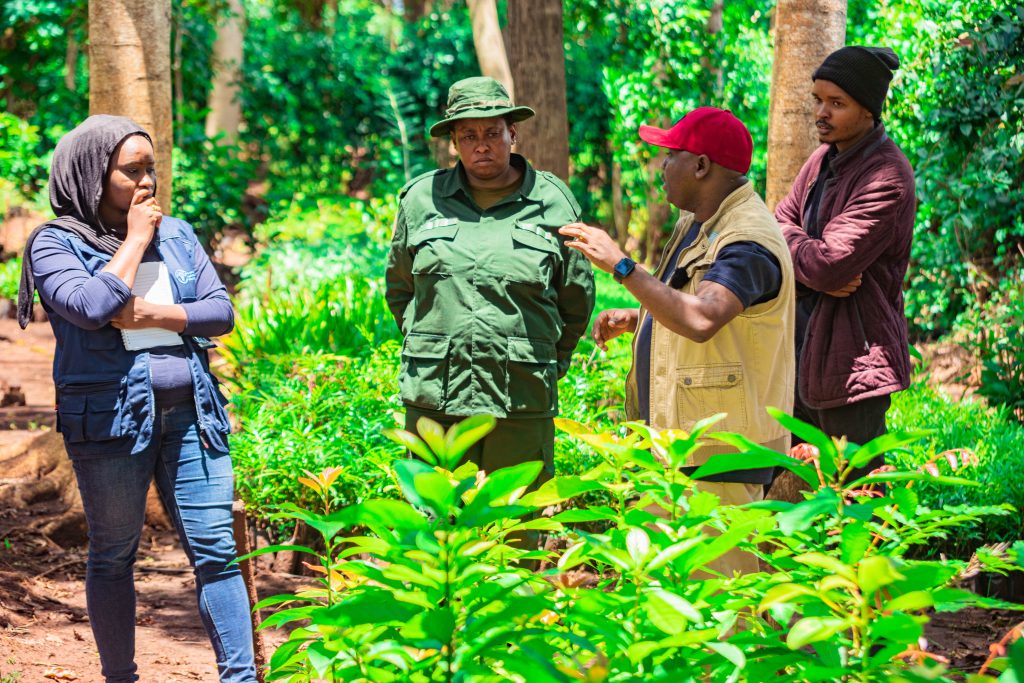
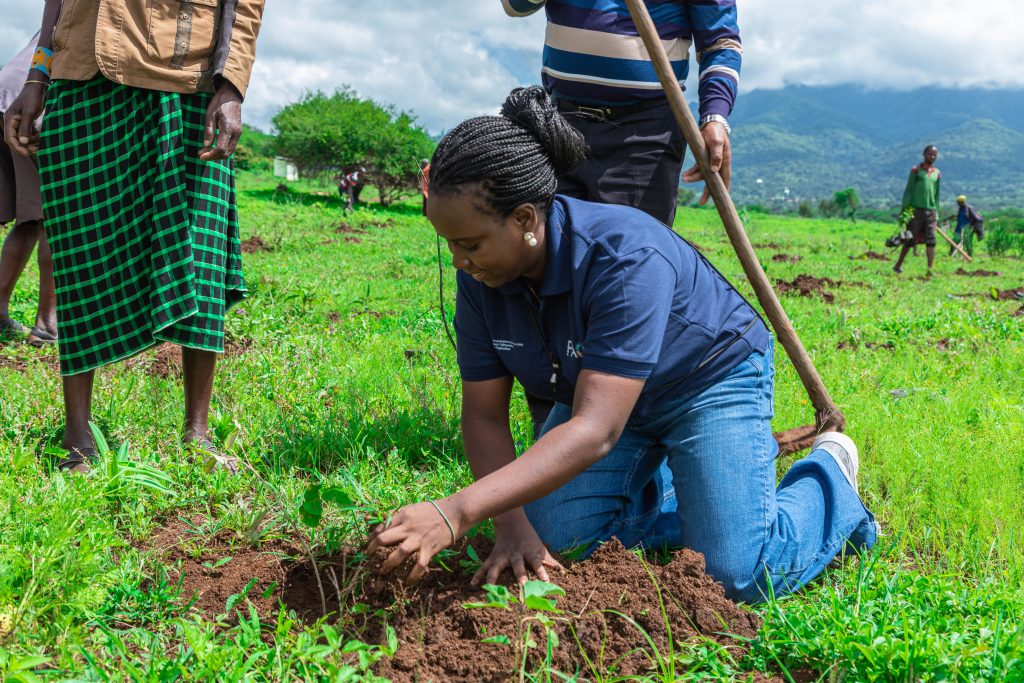
The visit commenced with a courtesy call in Monduli District, followed by site visits to Esilalei and Selela villages. In these areas, MVIWAARUSHA has undertaken commendable land restoration initiatives, successfully rehabilitating degraded landscapes and creating a more sustainable and conducive environment for pastoralist communities.

This visit also sets the foundation for upcoming restoration projects in the region. Special appreciation goes to the Programs Officer, who guided the visitors through various restoration sites and highlighted the organisation’s work across both public and private institutions.
Read more...

Restoration Through Sports: A Successful Tournament Campaign at Engaruka Village

Engaruka, Monduli District – May 20–24, 2025

From May 20th to 24th, 2025, the vibrant village of Engaruka in Monduli District came alive with excitement, energy, and purpose as it hosted a unique and impactful Restoration Sports Tournament Campaign. The event was spearheaded by MVIWAARUSHA in collaboration with JUSTDIGGIT, TRIAS, and the District Government of Monduli, blending sports and environmental awareness in a powerful community initiative.

The tournament featured football matches among youth teams from Irerendeni, Oldonyo Lengai, Engaruka Chini, and Engaruka Juu. Each match drew crowds of over 2,000 enthusiastic spectators daily, transforming Engaruka into a hub of celebration and environmental advocacy.

Amidst the cheers and chants on the football field, the evenings brought a different kind of engagement — movie road shows showcasing various land restoration techniques and approaches. These educational sessions helped raise awareness among community members, particularly the youth, about the importance and methods of restoring degraded landscapes.

The football action culminated in an exhilarating final where Irerendeni emerged as the tournament champions, winning not just on the field but also in community spirit and environmental advocacy.

The final day of the campaign was marked by the presence of key partners and stakeholders, including representatives from Lead Foundation, JUSTDIGGIT, TRIAS, and the Monduli District Government. These partners also had the opportunity to visit and witness firsthand the ongoing land restoration efforts at Engaruka Juu, seeing the tangible results of collaborative community action.

This campaign stands as a strong testament to the belief that “restoration through football” is not just a slogan, but a powerful, innovative approach to engaging communities and inspiring action. It successfully combined sports, education, and environmental stewardship in a way that was both inclusive and impactful.

We extend our deepest gratitude to all our partners whose support and collaboration made this campaign a success. Together, we are not only restoring land — we are restoring hope, purpose, and unity in our communities.

Read more...

Flexible Voluntary Contribution (FVC) Donor’s Field Trip to Tanzania: A Visit to MVIWAARUSHA’s Implementation Areas in Monduli and Karatu Districts

FVC team in a group photo with the Arusha regional commissioner Hon.Paul Makonda
Regional Commissioner Hon. Paul Makonda wth the FAO Tanzania representative Tipo Nyabenyi when she paid a courtesy call to the commissioner.

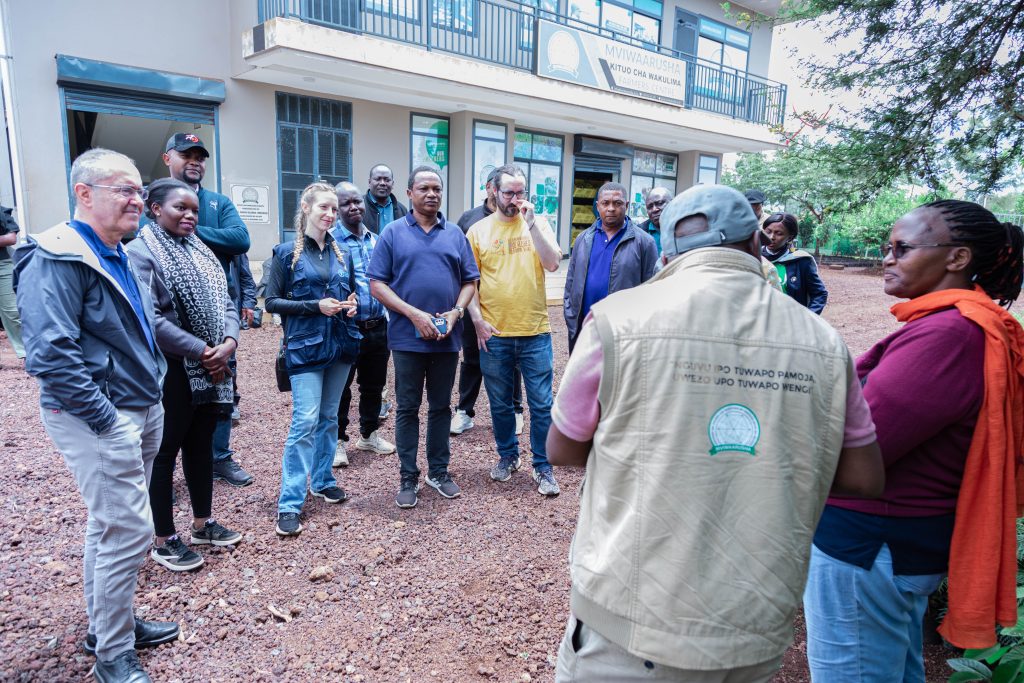
On the 24th and 25th of February, a group of 17 distinguished officials, led by the MVIWAARUSHA Coordinator, Richard Masandika, and Programs Officer, Mr. Damian Sulumo, embarked on a field trip to Tanzania to witness the transformative impact of the Flexible Voluntary Contribution (FVC) program. This visit took place in the implementation areas of the Mtandao wa Vikundi vya Wakulima na Wafugaji (MVIWAARUSHA) in the Monduli and Karatu districts.

The delegation was led by the FAO Tanzania Representative, Mrs. Tipo Nyabenyi, alongside several esteemed representatives from key international bodies. These included:

  • Ambassador Mr. Lieven De La Marche, Permanent Representative of Belgium to FAO
  • Ambassador Ms. Krisztina Bende, Permanent Representative of Switzerland to the United Nations Organizations in Rome
  • Mr. Mats Aberg, Senior Programme Manager at Sida
  • Ms. Ingrid Hordvei Dana, Counselor and Deputy Permanent Representative to the UN Agencies in Rome, including FAO, WFP, and IFAD
  • Ms. Kristin Dypedokk, Senior Advisor at Norad
  • Ms. Yngvild Våge Steihaug, Senior Advisor at the Norwegian Ministry of Agriculture and Food

The purpose of the trip was to assess the progress of the FAO-supported Forest and Farm Facility (FFF) projects and the outcomes of their support in the region.
Visiting Key Beneficiary Groups and Projects

The team first paid a courtesy call to the regional offices in Arusha, Monduli, and Karatu districts, where they witnessed firsthand the positive changes brought about by the FVC-funded projects.

One of the highlights of the trip was the visit to Simba Milima Primary School, where the Forest and Farm Facility (FFF) has made a significant impact. The school has been "regreened" as part of an environmental restoration effort, and a vegetable garden has been introduced to promote sustainable agricultural practices. Furthermore, FFF has supported the digging of a borehole to provide a clean water source for the school, alongside the installation of solar panels to power the school’s activities.

In Dofa Village, the delegation visited Eden Group, a prominent beneficiary of the FFF project. This group has made impressive strides in sustainable agricultural and environmental practices. The visit underscored the positive effects of the FVC funding on rural communities and their ability to thrive through sustainable farming practices.

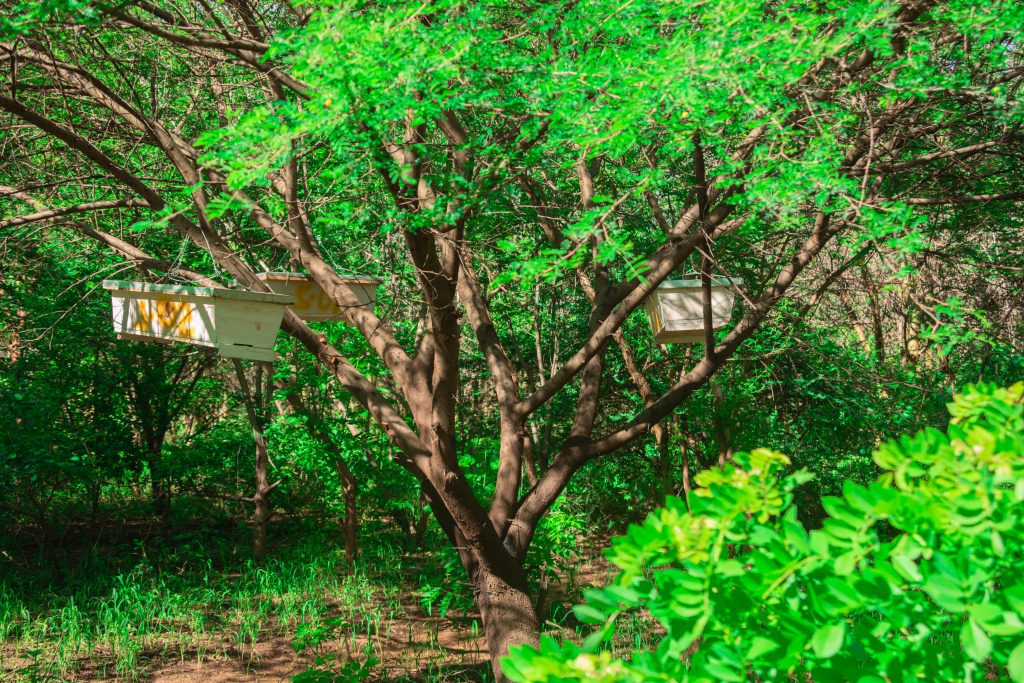
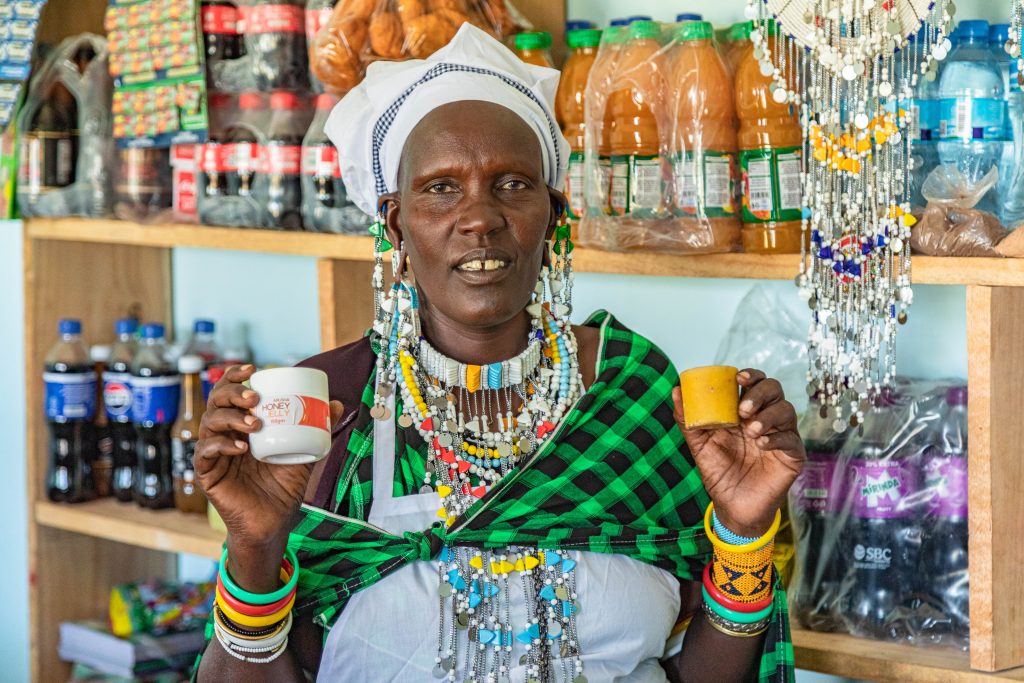
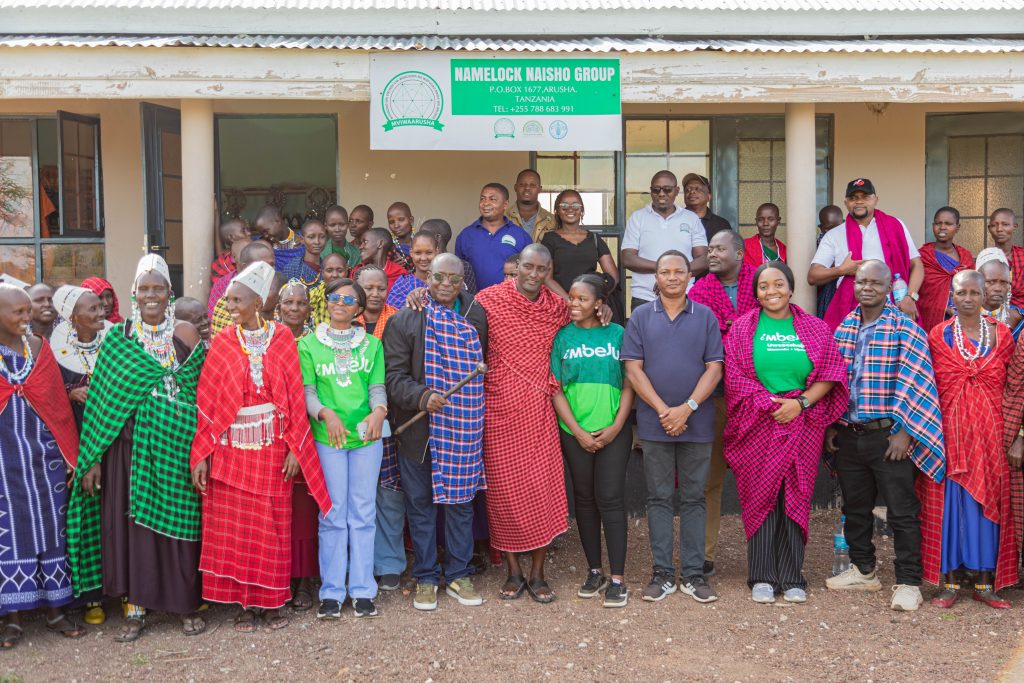
Additionally, the group visited Namelok Naisho, a Maasai women’s group engaged in beekeeping and environmental conservation activities. Through their work, they have become key beneficiaries of the FFF project, showcasing how the project has empowered women in the region to engage in both income-generating and environmental sustainability activities. Their work in beekeeping has contributed not only to local economic growth but also to preserving the environment through conservation efforts.

Strengthening Partnerships and Ensuring Sustainability

The field trip provided the FAO team and donor representatives an opportunity to directly engage with local communities and stakeholders, which allowed for a deeper understanding of how the FFF projects have been integrated into these areas. The projects in Monduli and Karatu have demonstrated the profound impact that donor support, such as that from FVC, has had on both the environment and local communities.

The visit highlighted the importance of strengthening partnerships between international donors, local organizations, and rural communities to ensure the sustainability of these initiatives. It also provided a platform for feedback, helping to improve the ongoing projects and ensuring that the FVC funding continues to support those who need it most.

Conclusion

The Flexible Voluntary Contribution (FVC) donor’s field trip to Tanzania was an insightful and successful visit that demonstrated the tangible results of FAO’s support through the Forest and Farm Facility (FFF) project. The officials saw firsthand how sustainable agriculture, environmental conservation, and community empowerment positively shape the livelihoods of the people in Monduli and Karatu districts. By supporting such initiatives, the FAO and its partners are fostering long-term development in Tanzania, with the potential to inspire similar projects globally.

The visit affirmed the success of the FVC funding and reinforced the need for continued collaboration between international partners and local communities to tackle climate change, promote sustainable farming practices, and uplift rural populations across Africa.

Read more...

MVIWAARUSHA wafanya mkutano mkuu wa 12

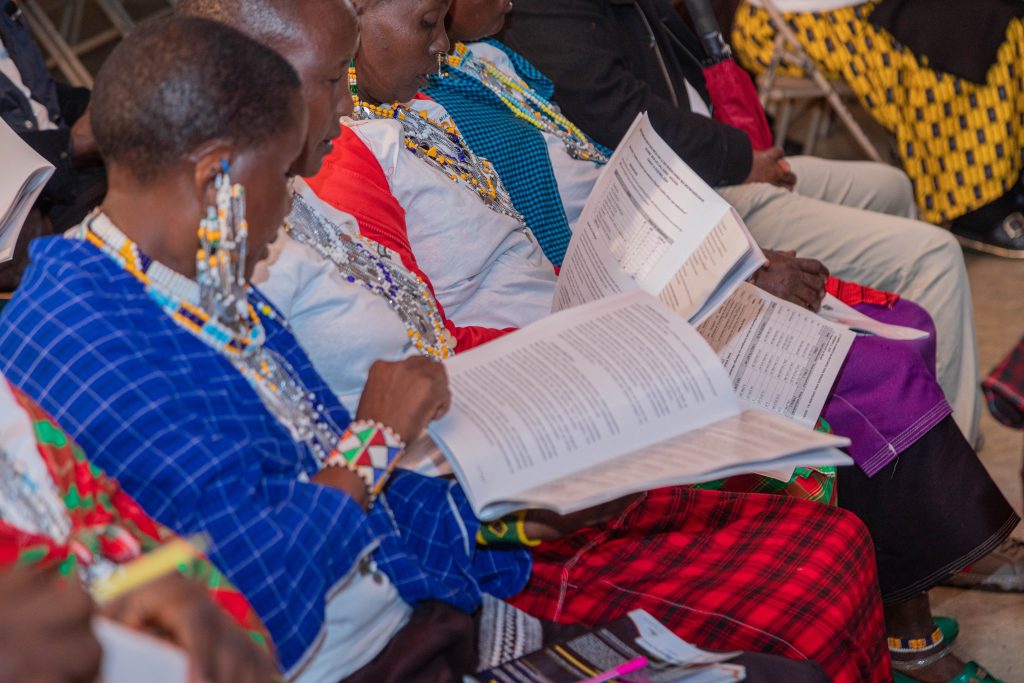
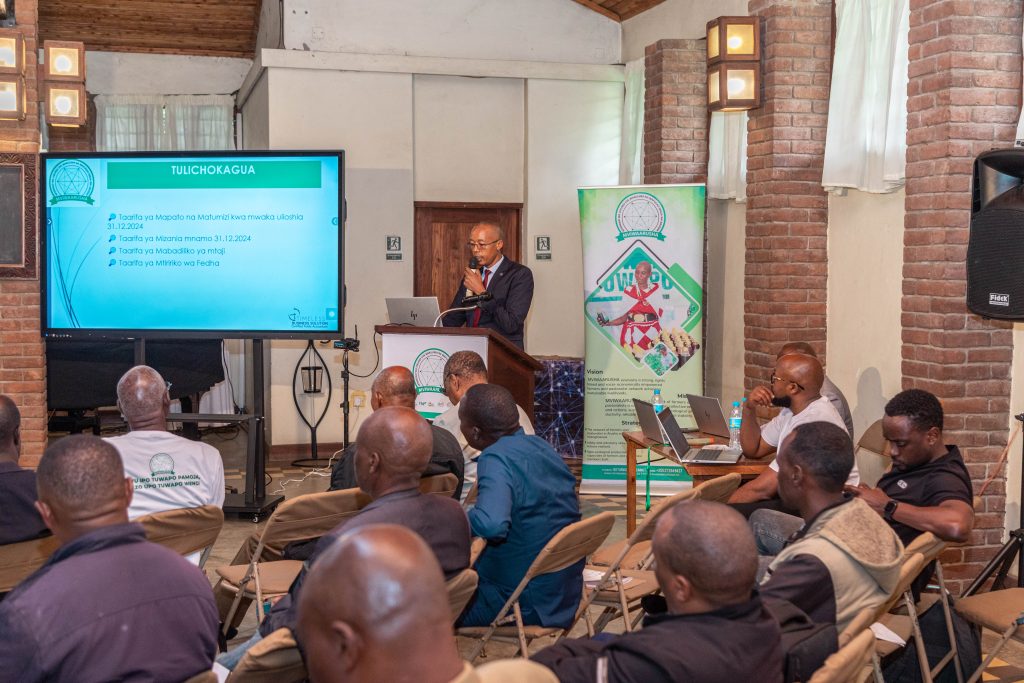
Wanachama wa MVIWAARUSHA wakiwa kwenye mkutano mkuu wa 12, iliyofanyika tarehe 13.12.2024
Viongozi wa kamati ya uongozi, bodi ya wadhamini wakiwa kwenye picha ya pamoja na Mgeni rasmi Ndg. Daniel Loiruck wakati wa mkutabno mkuu wa 12
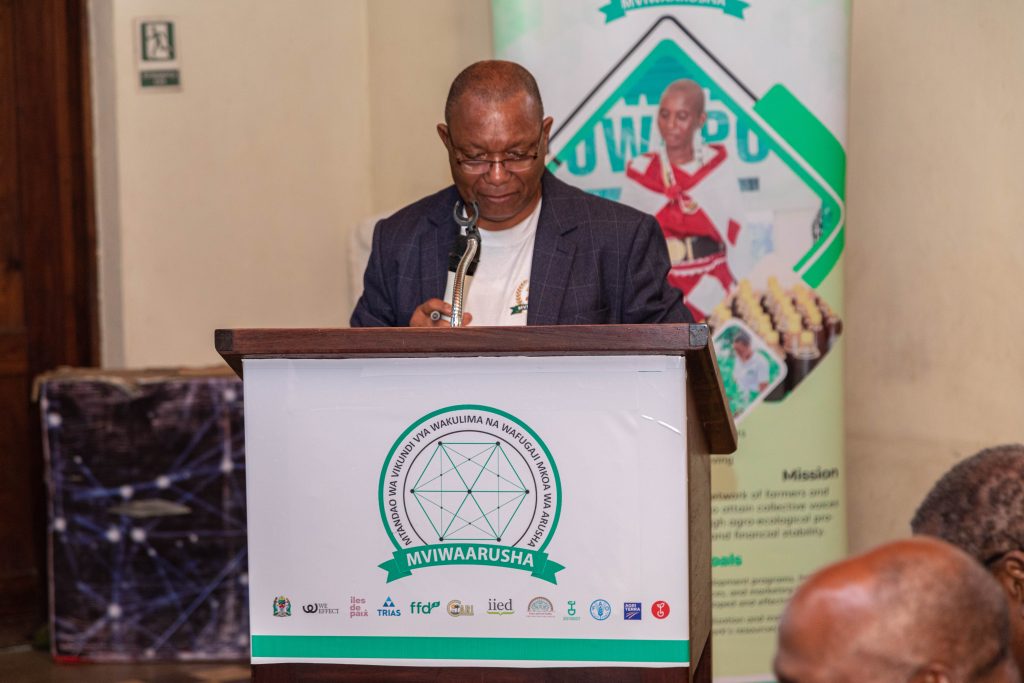
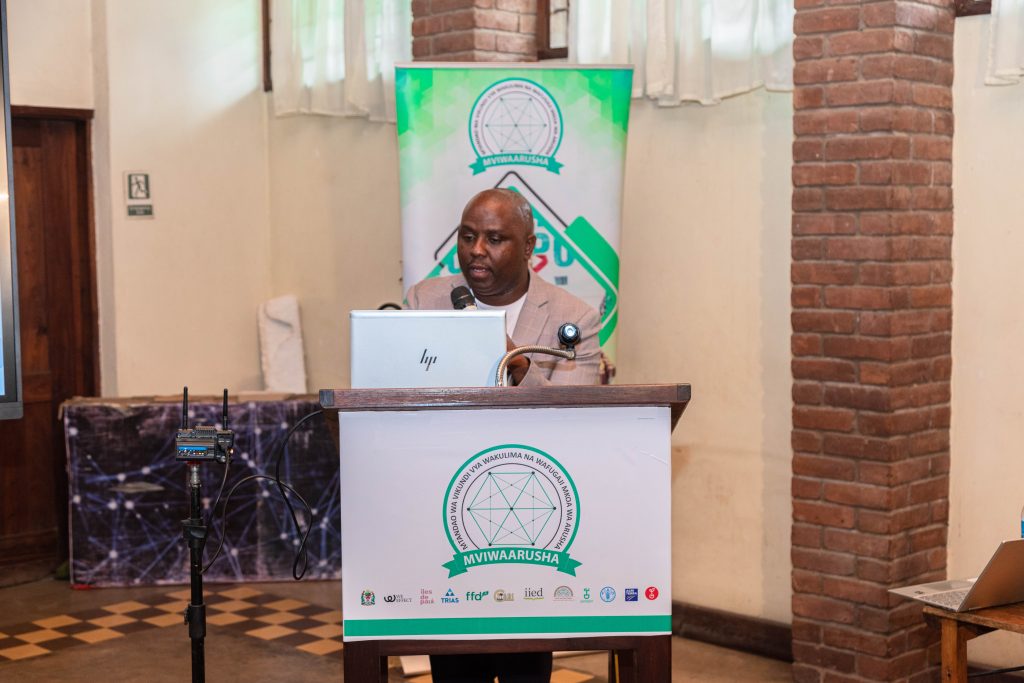
Damian Sulumo - afisa programu akiwasilisha taarifa ya utekelezaji kwa wanachama
Mratibu wa MVIWAARUSHA, Ndg. Richard Masandika akisoma mukhtasari wa mkutano mkuu uliopita mbele ya wanachama kwenye mkutano mkuu wa 12
Daniel Elibariki- afisa fedha na utawala wa MVIWAARUSHA akisoma taarifa ya mapato na matumizi kwenye mkutano mkuu wa 12
Viongozi wapya waliochaguliwa kwenye mkutano mkuu

Ijumaa ya tarehe 13, December 2024 ilikuwa siku kubwa kwa Mtandao wa vikundi vya wakulima na wafugaji mkoa wa Arusha, ambapo walikutana wanachama kwenye mkutano mkuu wa mwaka ili kujadili na kupanga maendeleo ya taasisi

Katika mkutano huo ulifanyika ukumbi wa New Life Hall njiro, wanachama pia wamechagua viongozi wapya watakaoongoza kwa miaka mitatu ijayo.

Katika uchaguzi huo, Mzee Anderson Sikawa amechaguliwa kuwa mwenyekiti wa MVIWAARUSHA, akisaidiwa na Veronika Mungai kama makamu mwenyekiti, Huku Gabriel Mwarabui akiwa mweka hazina.

Read more...

𝐌𝐕𝐈𝐖𝐀𝐀𝐑𝐔𝐒𝐇𝐀 𝐢𝐧𝐚𝐮𝐠𝐮𝐫𝐚𝐭𝐞𝐝 𝐚 𝐮𝐧𝐢𝐪𝐮𝐞 𝐟𝐚𝐫𝐦𝐞𝐫𝐬’ 𝐜𝐞𝐧𝐭𝐞𝐫 𝐢𝐧 𝐊𝐚𝐫𝐚𝐭𝐮 𝐓𝐨𝐰𝐧

The Director of Policy and Planning of the Ministry of Agriculture, Mr. Obadiah Nyagiro (in A grey suit) posed for a Photo with the MVIWAARUSHA coordinator Mr. Richard Masandika (far left), Arusha DC Director, Suleman Msumi (second) and MVIWAARUSHA programs, Mr. Damian Sulumo (far Right), when he visited the center for launching.
MVIWAARUSHA coordinator Mr Richard Masandika, giving the opening speech during the grand launching of the Farmers Center in Karatu.

On November 29, 2024, MVIWAARUSHA celebrated a historic milestone by launching a one-of-a-kind Farmer’s Center in Karatu Town. This momentous occasion was marked by the inauguration of a dedicated "farmer’s home," an achievement made possible through the collective efforts of farmers, partners, and the MVIWAARUSHA family, all of whom came together to celebrate the realization of a long-held dream.

The event was graced by Mr. Obadia Nyagiro, the Director of Policy and Planning from the Ministry of Agriculture, who represented the Deputy Minister, Hon. David Silinde. Mr. Nyagiro commended MVIWAARUSHA for their outstanding work, acknowledging the challenges faced during the project’s implementation. He also provided insightful recommendations that will contribute to the growth of agriculture in the region, encouraging MVIWAARUSHA to act on them.

This newly built center will serve as a vital hub for the farming community and the MVIWAARUSHA family, fulfilling their long-standing need for a one-stop center for agricultural activities. Special thanks go to Coordinator Mr. Richard Masandika, the steering committee, and the board of MVIWAARUSHA, as well as all the stakeholders, for making this achievement possible.
🌳Together, we are powerful.
#𝖠𝗀𝗋𝗈𝖾𝖼𝗈𝗅𝗈𝗀𝗒𝖱𝗂𝗀𝗁𝗍𝖭𝗈𝗐 #𝖥𝖺𝗋𝗆𝖾𝗋𝗌𝖢𝖾𝗇𝗍𝖾𝗋 #𝖥𝖺𝗋𝗆𝖾𝗋𝗌𝖧𝗈𝗆𝖾

Read more...

AGRITERRA Hosts Workshop on the Strategic Development of Farmers’ Centers Supported by MVIWAARUSHA

Beatrice Kimaro, lecturer from Moshi Cooperative University conducting a consultation workshop for MVIWAARUSHA

AGRITERRA, in collaboration with MVIWAARUSHA, recently conducted an insightful workshop aimed at developing a sustainable strategy for the management and commercialization of the Farmers' Centres. The workshop, which brought together board members, staff, leaders, and members of MVIWAARUSHA, focused on building a robust framework that would ensure the effective operation of the centres, which are designed to foster agricultural growth and support the development of local farmers.

The Farmers' Centres, established by MVIWAARUSHA, serve as key hubs for promoting agriculture, providing farmers with access to resources, training, and market linkages. These centres are part of MVIWAARUSHA’s broader vision to enhance the livelihoods of smallholder farmers and strengthen agricultural value chains in the region. AGRITERRA’s involvement is centred around providing the necessary expertise to ensure that the centres are not only community-oriented but also commercially viable, enabling them to become self-sustaining in the long term.
The workshop, which took place at an MVIWAARUSHA facility, was facilitated by Beatrice Kimaro, a seasoned lecturer from Moshi Cooperative University with expertise in agricultural economics and cooperative management. With her extensive experience in cooperative development and strategic planning, Beatrice guided participants through a process of consultation and brainstorming, encouraging open discussions on how the Farmers' Centers can be effectively managed and strategically aligned with the needs of the farming communities they serve.

The session was structured to allow active participation from all stakeholders, including the board members, staff, and leaders of MVIWAARUSHA, as well as the farmers themselves. This inclusive approach ensured that the perspectives and suggestions of everyone involved were heard, particularly those of the farmers who are the primary beneficiaries of the services provided by the centres.

The primary goal of the workshop was to gather insights and opinions on several key aspects of the Farmers' Centres' future development, with a particular focus on their sustainability and commercial viability. Some of the key areas discussed included:

  1. Business Model Development: Identifying ways to make the centres commercially viable, including exploring partnerships, revenue streams, and service offerings that would support farmers while generating income for the centres.
  2. Resource Management and Efficiency: Ensuring that the centres are well-managed, with efficient use of resources, while maintaining a focus on the community’s needs and priorities.
  3. Farmer Engagement and Support: Strengthening relationships between the centres and the farming communities, including improving access to training, technical assistance, and financial services.
  4. Market Linkages: Developing strategies to connect farmers to broader markets, thus enabling them to access better prices for their produce and gain exposure to new business opportunities.
  5. Strategic Leadership: Identifying the leadership and management structures needed for the centres to operate successfully, ensuring effective decision-making and long-term growth.

As a key partner, AGRITERRA has played a critical role in helping MVIWAARUSHA refine the strategy for the Farmers' Centres. AGRITERRA, with its deep expertise in agricultural development, provides both technical and strategic support to ensure that MVIWAARUSHA can operate these centres in a commercially sustainable way. Their involvement in the workshop highlighted their commitment to building the capacity of local organizations like MVIWAARUSHA to run successful and financially sustainable agricultural enterprises.

Through such collaborations, AGRITERRA aims to help enhance the agricultural sector by improving the commercial orientation of farmer organizations and strengthening their ability to meet the demands of modern agriculture. Their input in the workshop was invaluable in shaping the overall strategy for the centres and ensuring that they can continue to provide long-term benefits to farmers.

The workshop marked a significant milestone in the development of the Farmers' Centres, with valuable contributions from all parties involved. The discussions and outcomes of the session will guide the ongoing efforts to ensure that these centres are not only hubs for agricultural development but also sustainable, commercially viable entities that can serve the needs of farmers in the long run.
As MVIWAARUSHA and AGRITERRA continue to work together, the future of the Farmers' Centers looks promising, with a strategic focus on commercial growth and enhanced support for farmers. The workshop has set the stage for the next steps in making the centres a central part of the agricultural development landscape, both locally and beyond.
Read more...