Field Visit Showcases Impact of FAO Forest and Farm Facility Support to Farmers in Arusha and Karatu
Following the successful FAO Matchmaking and Innovative Financial Instruments Event held in Arusha from 25th to 27th February 2026, participants had the opportunity to witness firsthand the impact of ongoing initiatives supporting smallholder farmers and community enterprises. On 28th February 2026, a team composed of representatives from financial institutions and other participants of the event conducted a field visit to projects implemented by MVIWAARUSHA under the Forest and Farm Facility (FFF) Program supported by FAO.
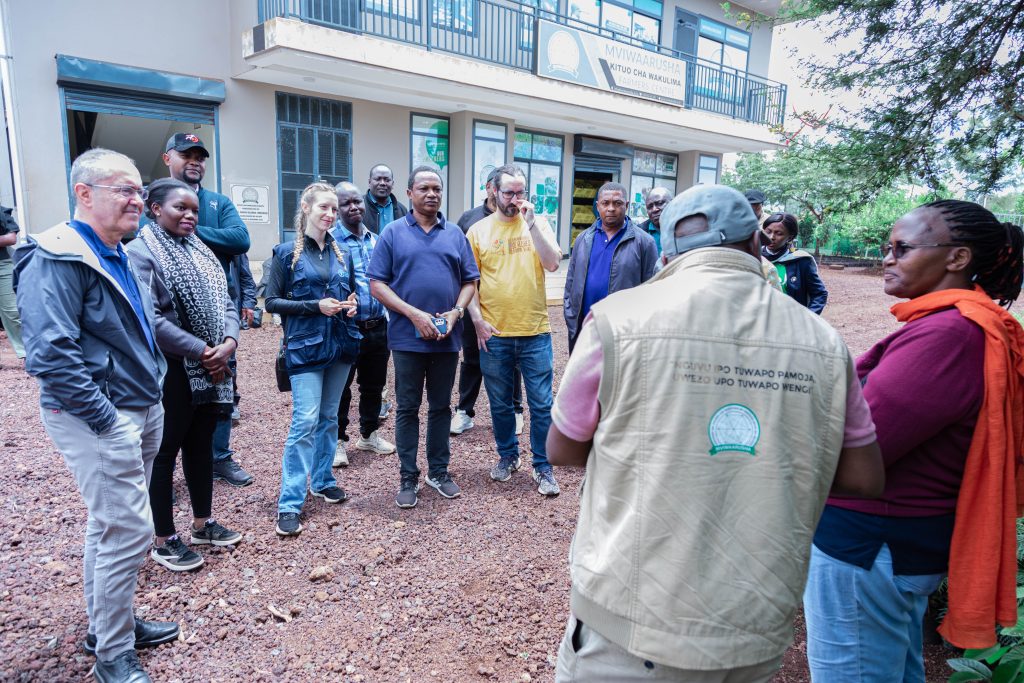
The visit began at the MVIWAARUSHA Farmers Center, where the team was introduced to various initiatives aimed at strengthening the capacity of smallholder farmers, improving value chains, and promoting sustainable agricultural practices. The center serves as an important hub for farmer coordination, training, and knowledge sharing, playing a key role in empowering local producers and supporting their engagement with markets and financial services.
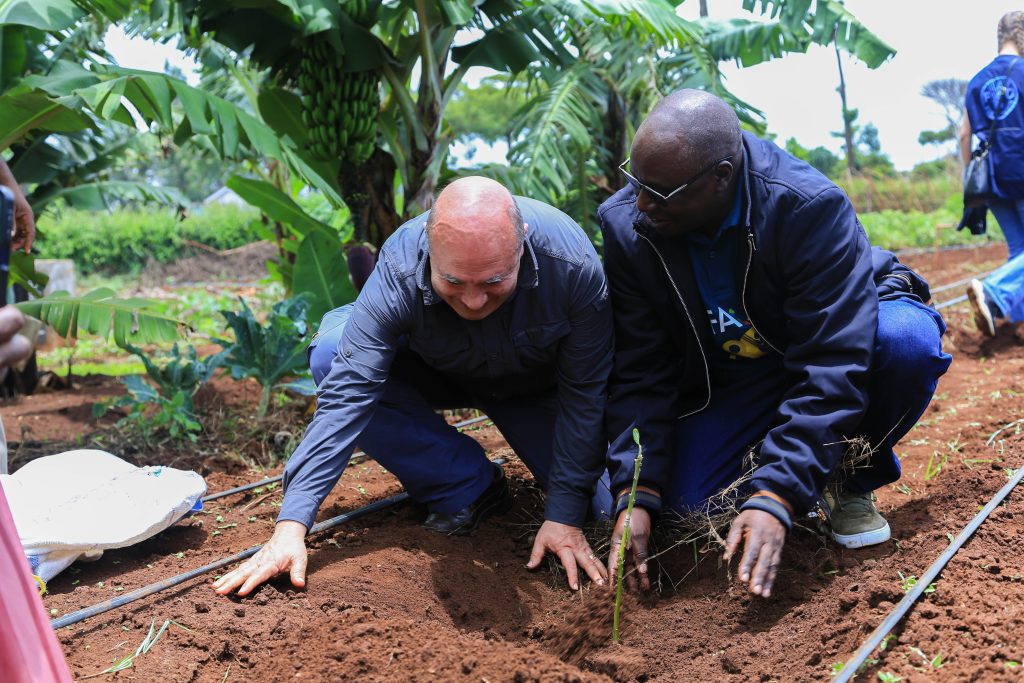
The delegation also visited project activities in Karatu, where they observed community-driven initiatives that demonstrate how farmers are adopting sustainable and environmentally responsible practices while creating viable livelihood opportunities.
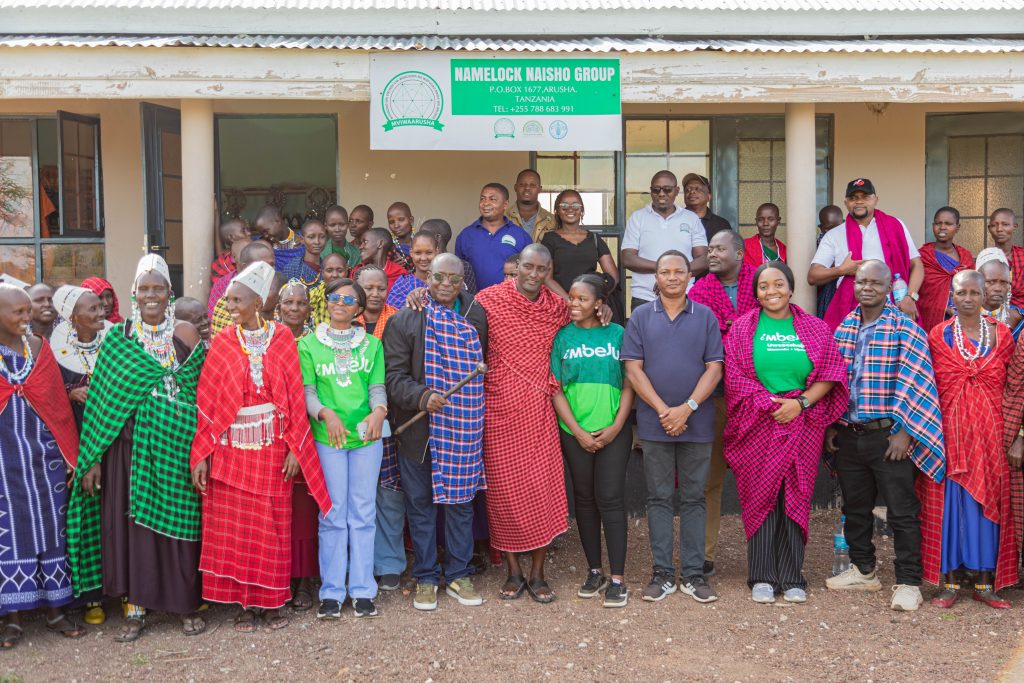
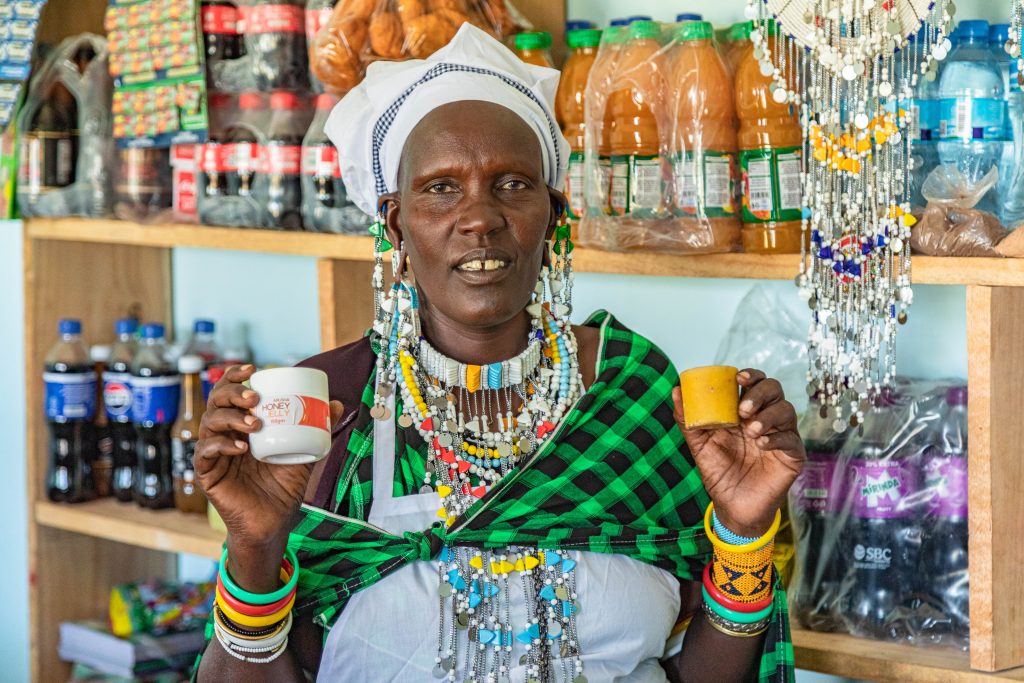
One of the notable stops was Namelok Naisho Group located in Esilalei Village, Monduli District. The group is a women-led initiative engaged in beekeeping, an activity that not only generates income for its members but also contributes to environmental conservation through the protection of forests and biodiversity. The visitors had the opportunity to interact with the group members and learn about their progress, challenges, and aspirations in expanding their beekeeping enterprise.
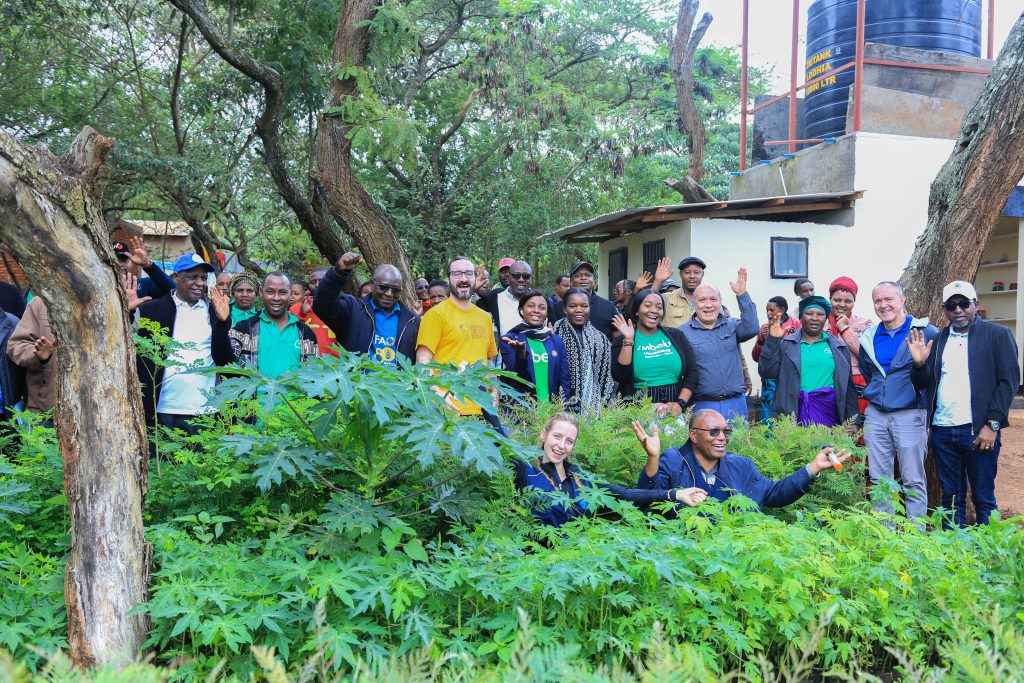
The team also visited the Eden Group in Doffa Village, a community group involved in vegetable gardening and tree nursery development. Their work focuses on promoting sustainable food production while simultaneously supporting environmental conservation through tree planting and land restoration. The group’s efforts demonstrate how local communities can integrate agriculture with ecosystem protection to build resilient livelihoods.
These field visits provided valuable insights for financial institutions and other stakeholders, helping them better understand the realities and opportunities within farmer-led enterprises. By connecting financial actors with grassroots initiatives, the visit strengthened the dialogue on how innovative financial instruments can better support smallholder farmers, rural entrepreneurs, and community-based organizations.
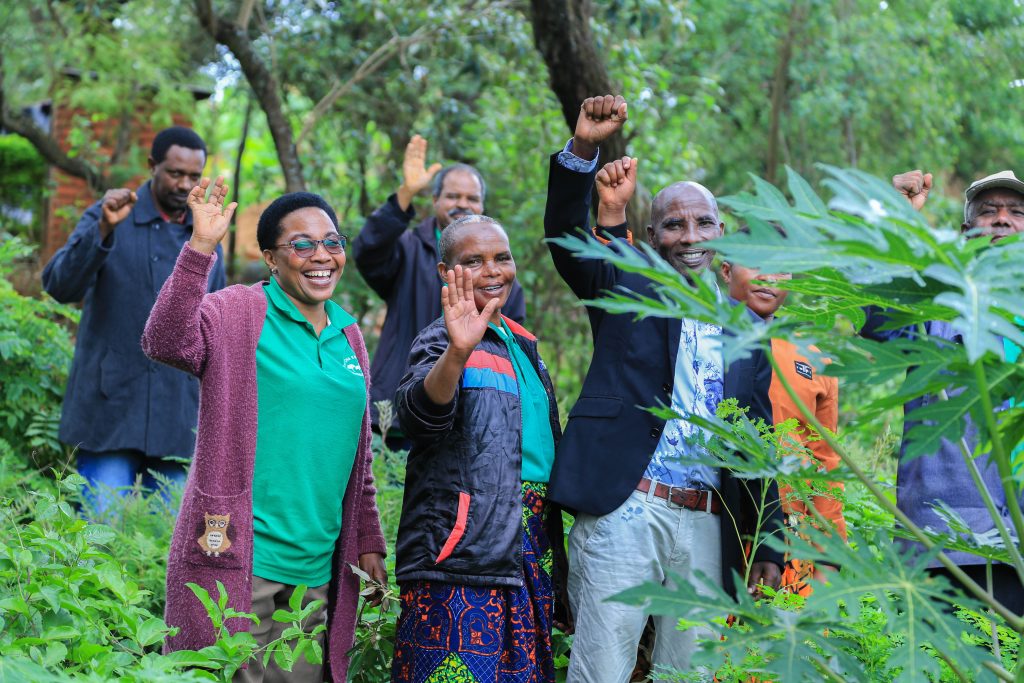
Through the Forest and Farm Facility Program, FAO continues to support organizations like MVIWAARUSHA in empowering farmer groups, strengthening sustainable enterprises, and promoting agroecological approaches that contribute to improved livelihoods, environmental sustainability, and inclusive rural development.
Such engagements highlight the importance of collaboration between development partners, financial institutions, and farmer organizations in building a stronger and more resilient agricultural sector.

Leave a Reply