From degraded land to resilient livelihoods in Monduli
Greener Tanzania, supported by Finnish Government through FFD
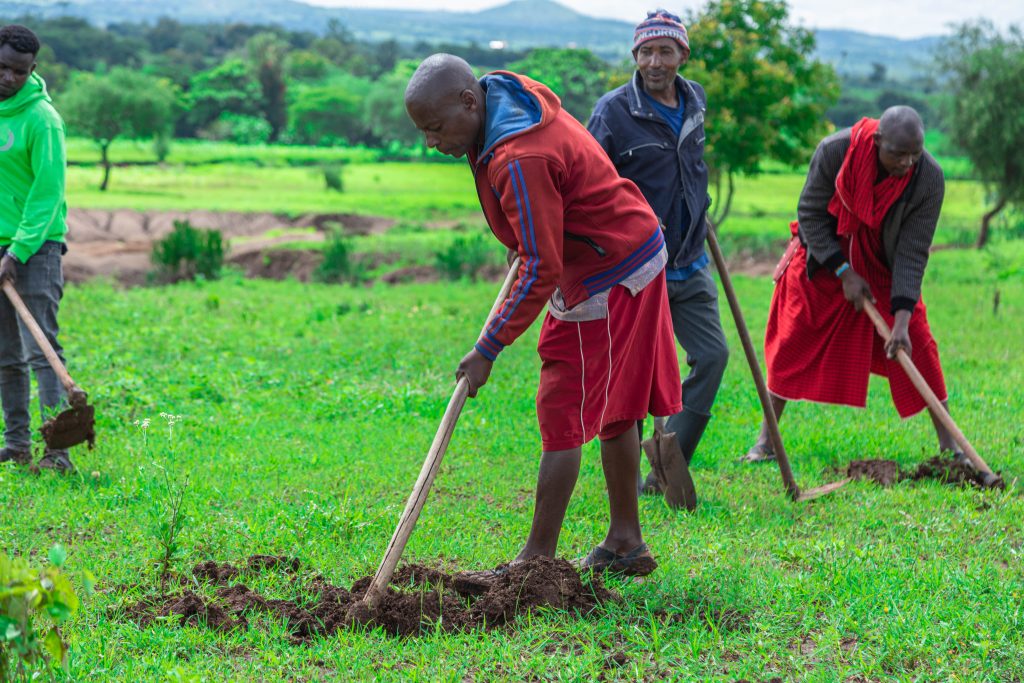
For years, communities in Monduli District, particularly the Maasai have faced increasing climate stress. Erratic rainfall, prolonged droughts, and land degradation reduced pasture availability and crop yields, threatening both livelihoods and food security. Traditional coping strategies were no longer sufficient. The Greener Tanzania Project responded by working directly with communities to restore ecosystems while strengthening livelihoods and local institutions. “Before, the land was becoming bare. Even when the rains came, nothing would grow well,” recalls George Kapela, a farmer and a leader of MVIWAARUSHA.
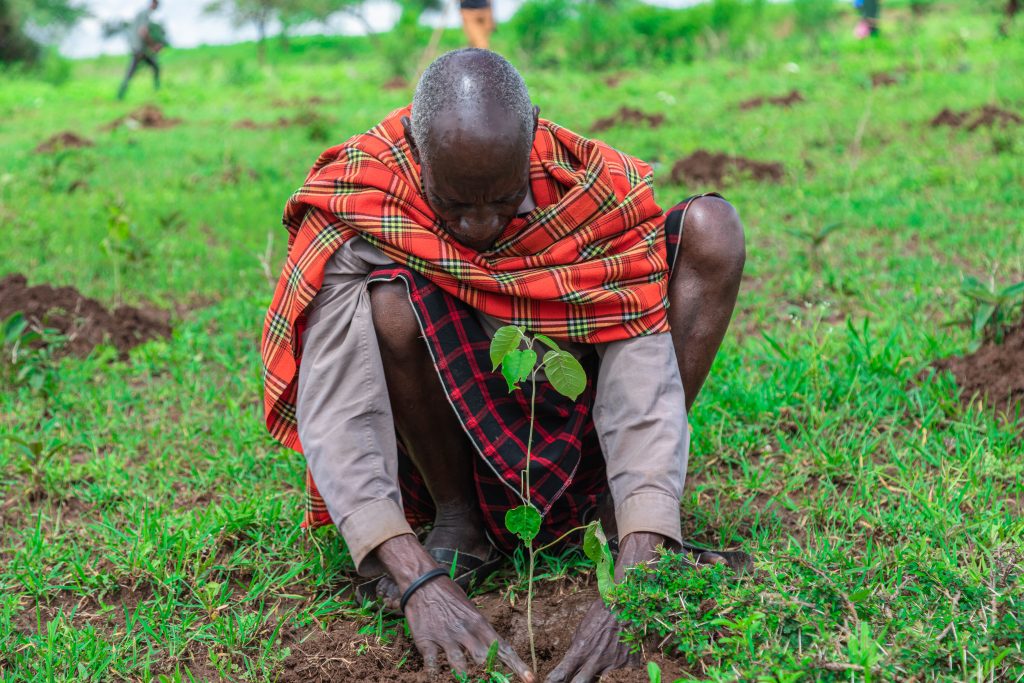
Through the promotion of Farmer Managed Natural Regeneration (FMNR – Kisiki Hai) and improved tree nursery practices, communities began restoring degraded landscapes using locally adapted approaches. Over 81 hectares of land have been restored, and more than 96,000 trees planted, with strong survival rates of about 73%, driven by community ownership. Schools became key entry points, with rangeland serving both ecological and educational purposes.
“We learned that we don’t always need to plant new trees. By protecting what is already there, the land recovers faster,” explains Loningó, a Environmental champion. The results are visible: improved vegetation cover, better soil structure, and increased water retention. In some areas, farmers report improved crop performance and reduced soil erosion.
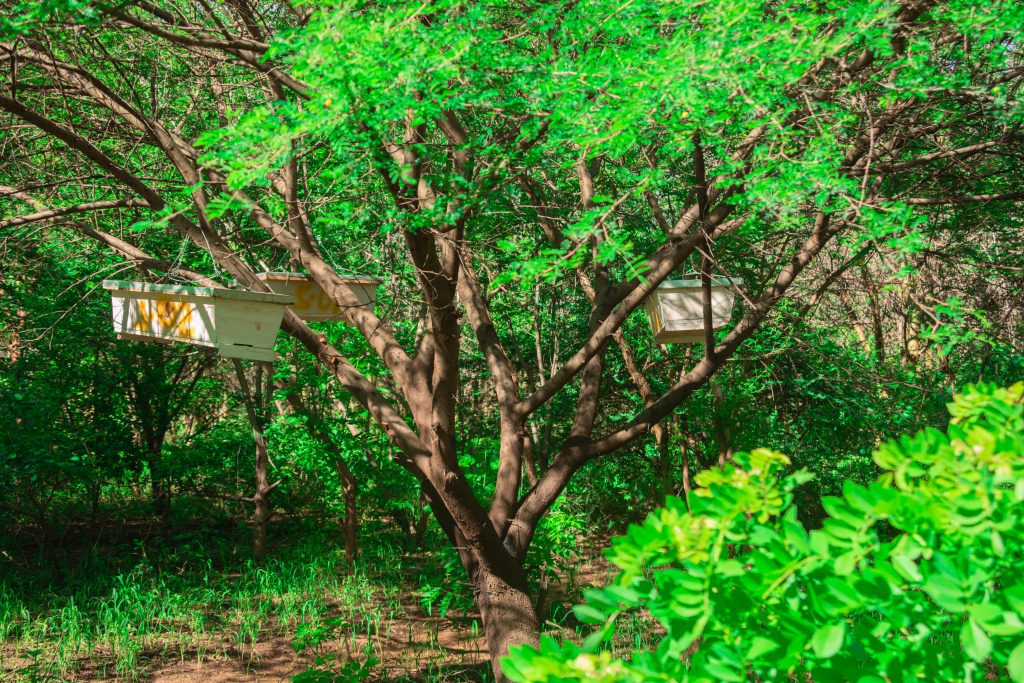
Beekeeping as a climate-smart enterprise, recognizing that restoration must be linked to income, the project strengthened beekeeping as a sustainable enterprise. Communities were trained in hive management, colony care, and honey harvesting. A particularly innovative approach involved establishing “apiary classrooms” with community members learn while managing active hives.
“Beekeeping has changed how we see the forest. Now we protect trees because they support our bees and our income,” says John Laizer, a beekeeper from Engaruka and secretary of the MVIWAENGA. More than 37 beneficiaries have adopted beekeeping, creating new income streams while contributing to biodiversity through pollination.
Strengthening Advocacy, beyond field activities, the project recognized the importance of community voice in decision-making. Through training on the Farmers Consultative Tool (FACT), local leaders were equipped with skills in evidence-based advocacy. “Before, we only complained. Now we present facts and solutions to the district,” explains a local network leader from Monduli. But now as a result of the project interventions, communities successfully influenced district budget allocations toward climate resilience activities, and our organization contributed to national-level advocacy, leading to the recognition of four local seed varieties. This marks a significant shift from passive participation to active policy engagement.
Financial inclusion in practice was a project strong emphasis on inclusion, particularly for women and youth, who often face barriers in accessing resources. Through strengthening 15 Community Microfinance Groups (CMGs), members gained access to savings and credit, enabling investment in farming, beekeeping, and small enterprises. “Through our group, I was able to save and start my own activity. Now I contribute to my family income,” shares Sion Kapela, a CMG member in Engaruka juu. The CMGs have become more than financial platforms, they are spaces for confidence-building, leadership, social cohesion and collective action.

Leave a Reply